The scenery at Quex Park has inspired artists from earlier centuries right up to the present day.
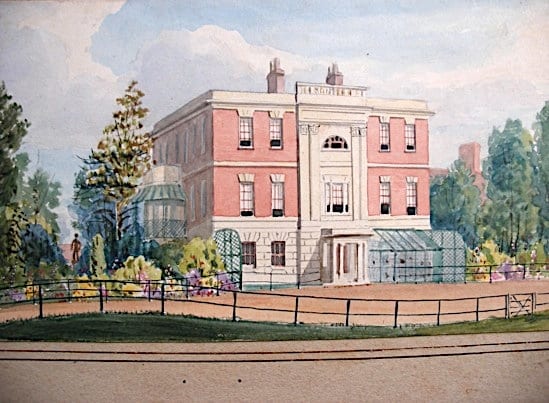
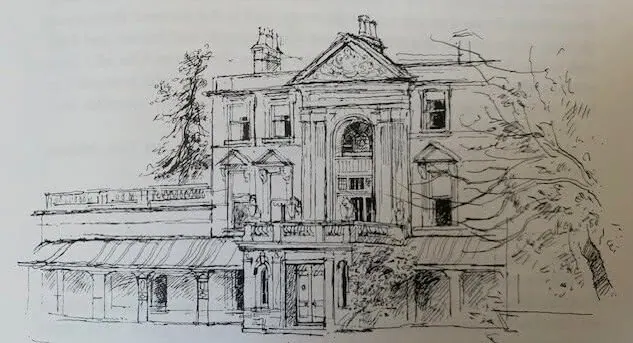
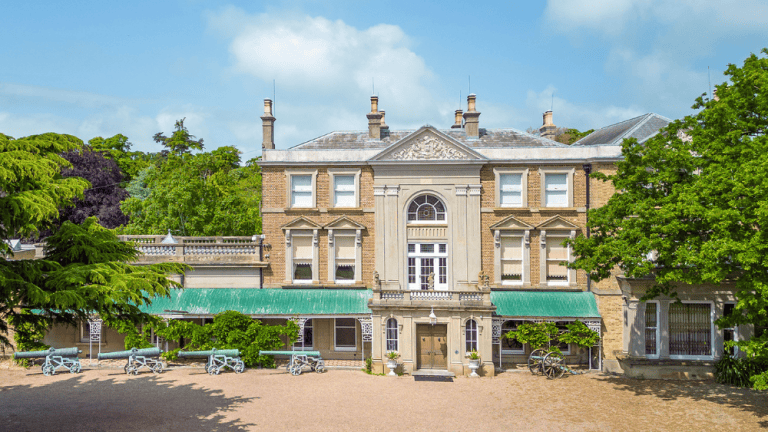
In the late 1700s for example, an artist took the time to draw the grand Tudor Mansion, at Quex Park, then in the 1800s, another artist recorded John Powell Powell’s newly built Mansion House, Gun Tower and Waterloo Tower.
Then in the late Victorian era, photography was becoming the newest artistic medium and Major Percy Powell-Cotton not only documented his overseas expeditions with his latest camera, but also scenes from the estate, which have left us with his visual record of the development of Quex Park, and its visitors and residents, up to the 1940s.
The Powell-Cotton Museum at Quex Park has also attracted its fair share of artists. In the First World War, Belgium casualty Oscar Van Audenhove was recovering at Quex Park and offered to paint realistic background scenery for Major Powell-Cotton’s dioramas, these can still be seen at the museum. Two of Major Powell-Cotton’s daughters, Diana and Mary Powell-Cotton, were also talented artists and many examples of their art, can also be seen displayed at the museum.
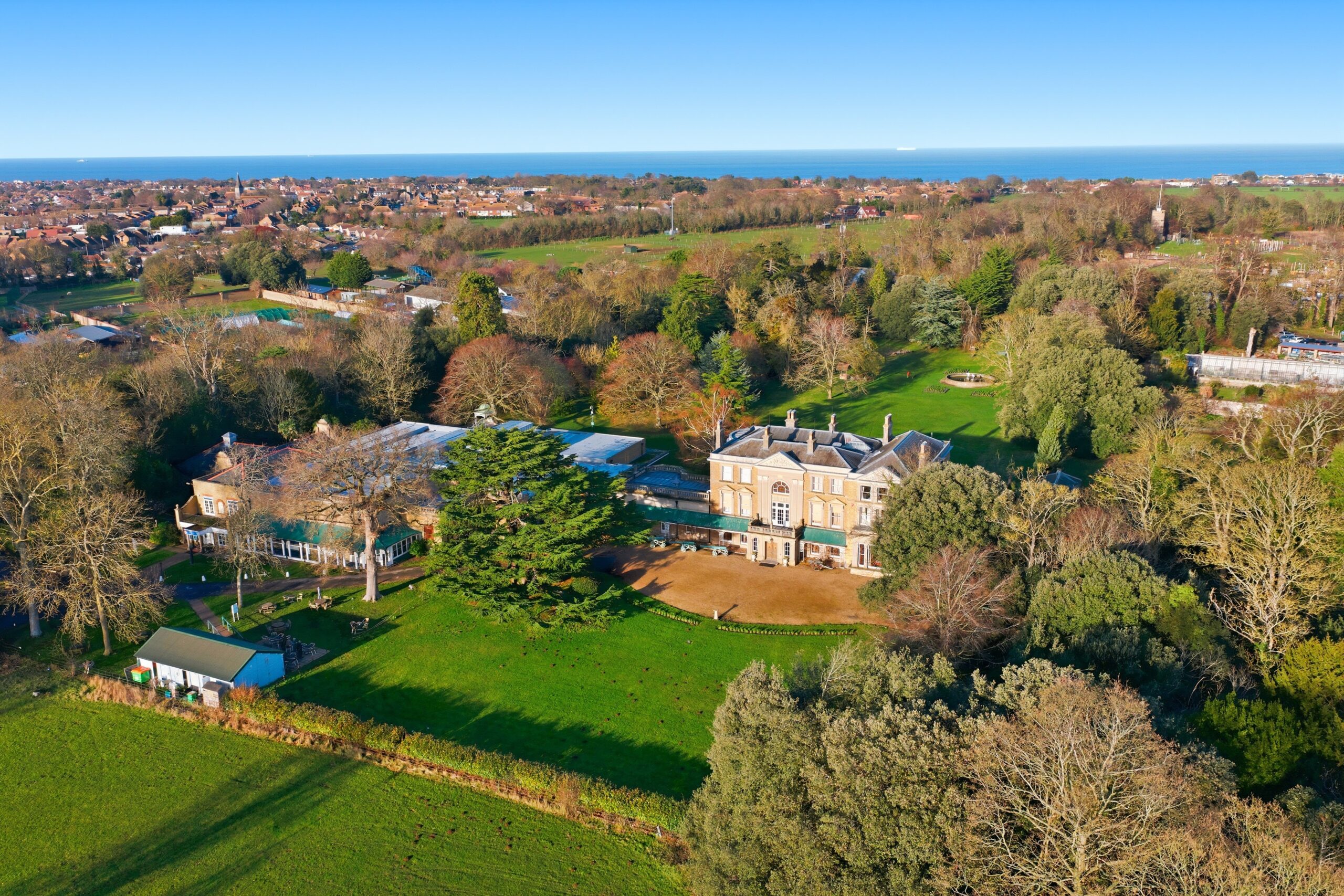
Authors and illustrators were also drawn to Quex Park and the opportunity for creating unique content. In 1935, author Dennis Wheatley used Quex Park as a setting for his thriller Contraband, the artist’s impression of his story for the front cover of the book, is set against the Waterloo Tower. The end papers in the hardback edition of this novel features a map of Thanet including Quex Park. Then in 1991, Quex Park was the setting for another artist, Pamela Kay. She was illustrating that much loved children’s book, The Secret Garden by Frances Hodgson Burnett, and used the Mansion House and gardens of Quex Park for inspiration, choosing Mary Powell-Cotton’s granddaughter Susan, for inspiration for the book’s main character Mary Lennox.
Currently, Quex Park provides workshops for artists working in a variety of different mediums from arts and crafts to pottery, silver-crafting and leatherworking. Some offer lessons too and artists, artisans and workshops can be visited at our Artisan Yard and Craft Village, and so creative Quex lives on.
But where is the source of this artistic inspiration? Perhaps it could be in the birdsong, or maybe the chimes of the bells over the estate and the acres of ancient tree-lined meadows and gardens that attracts this artistic side of people? But whatever it is, and without a doubt, Quex Park has provided artistic inspiration down the centuries to both visitors and residents alike.