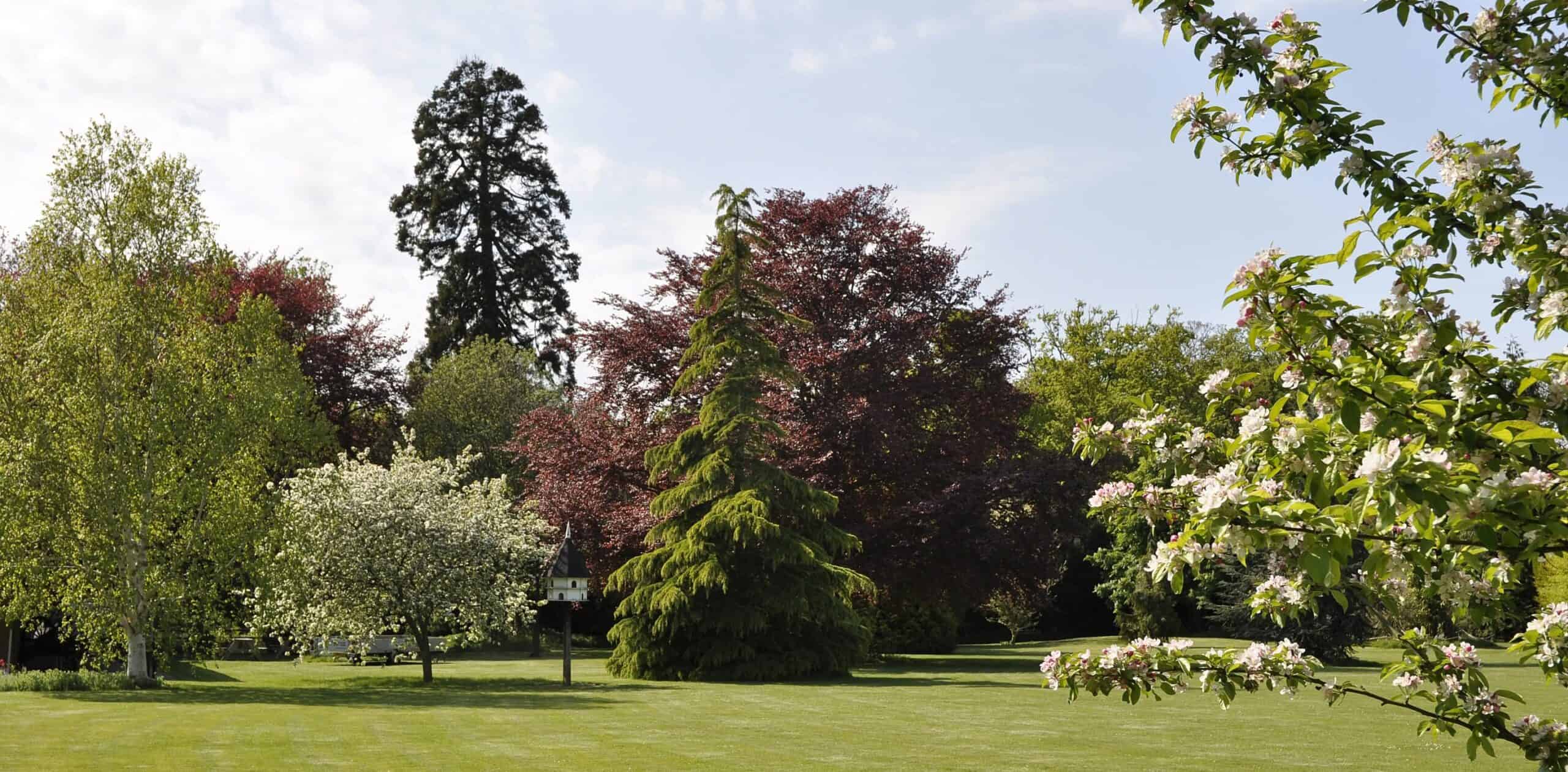
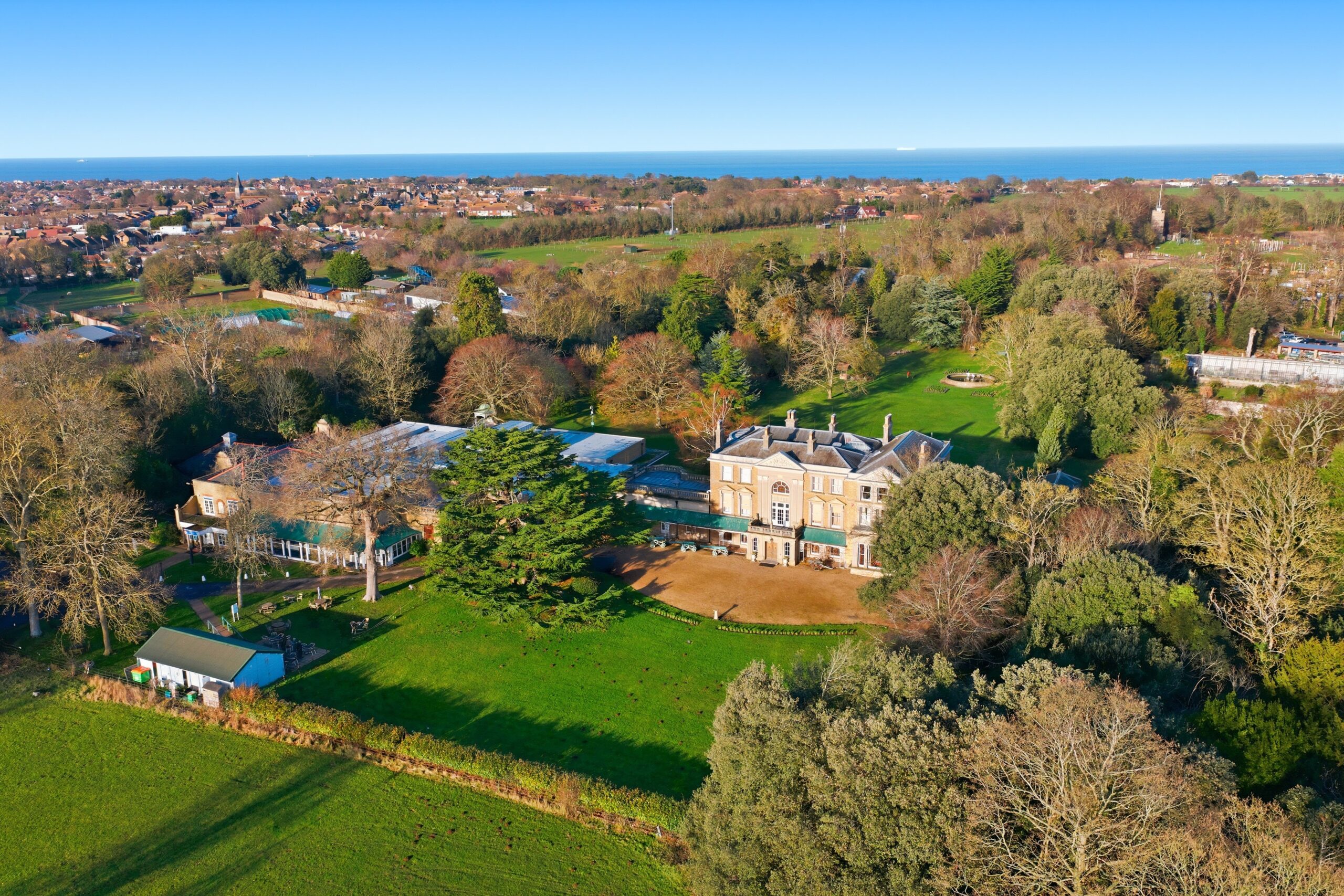
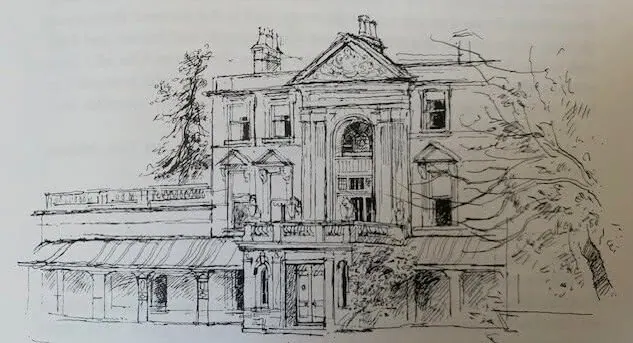
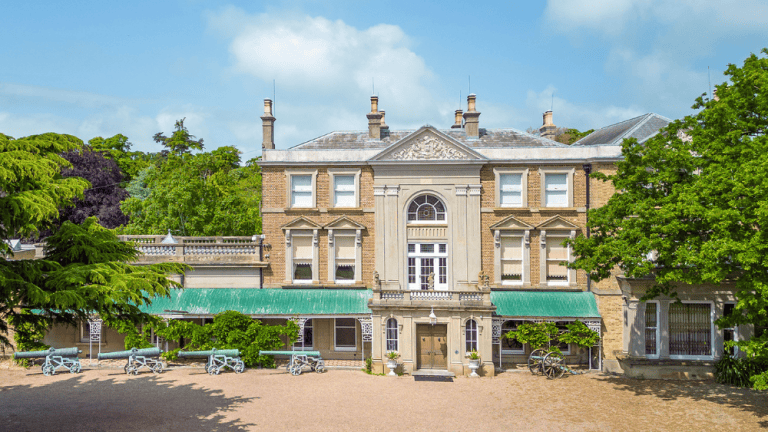
Quex Park and gardens are a beautiful example of a traditional English stately home. Spread over acres, the grounds feature mature woodlands of chestnut, oak, beech and ash, while varieties of coniferous and specimen trees can be seen in the gardens surrounding the historic regency mansion house.
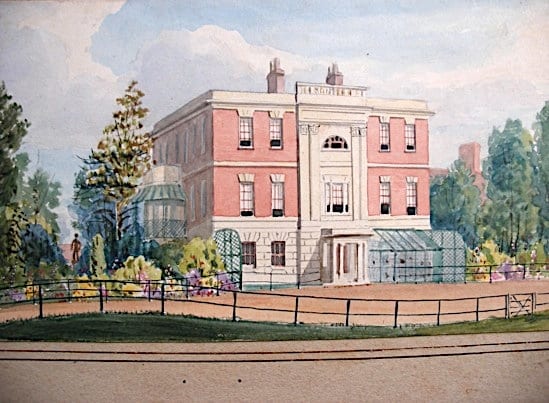
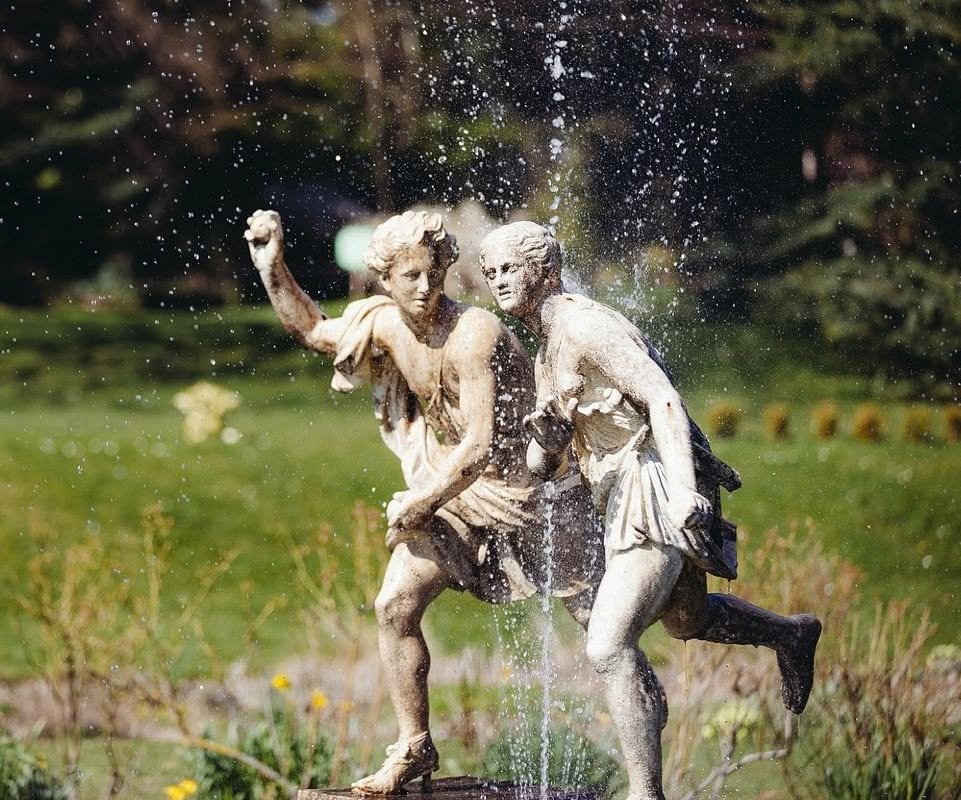
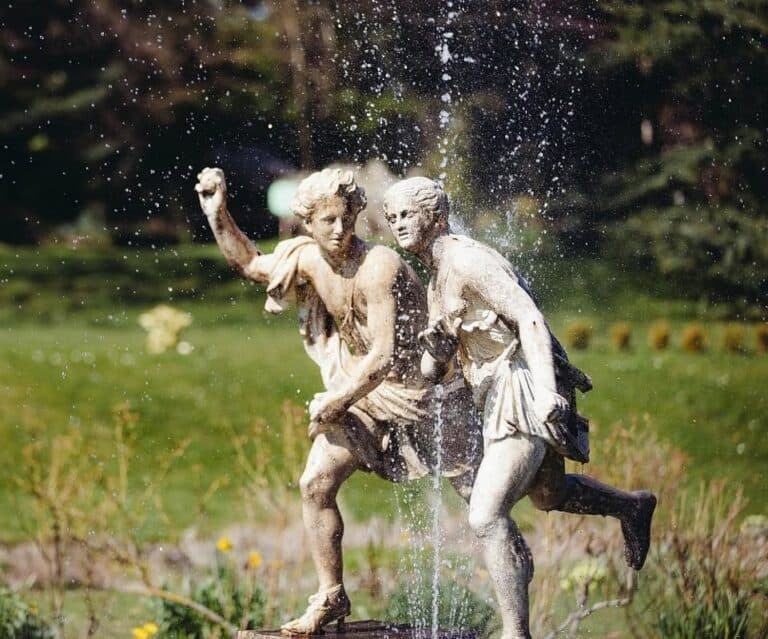
Documents reveal how Quex Park would have looked like in earlier centuries. In 1736 for example, it was described as having ‘handsome gardens about it, walled in, with a pretty vineyard and good fruit.’ But by the 1800s, it had fallen into disrepair so when John Powell Powell (1769-1849) inherited the estate, he began a program of redevelopment building a new Mansion House, a Bell Tower, a Coach House and a Round Tower. When Henry Horace Powell Cotton (1830-1894) inherited the estate, Powell’s regency house was extended, and an ornamental pond area created featuring two charming statues representing the Greek myth of Atalanta and Hippomenes.
Henry’s son, Major Percy Powell-Cotton (1866-1940) continued the estate developments with a second walled garden built to provide the estate, and local area, with fruit and vegetables. The mansion house gardens were planted with even more flowering plants and trees, so that by 1902, a visitor observed, “Captain Cotton, famous for his daring feats with tropical big game and his travels in little explored regions, has one of the most interesting gardens in the County of Kent.”